

Texts


Every Wednesday, Sabzian publishes texts on cinema in Dutch, English or French.Chaque mercredi, Sabzian publie des textes sur le cinéma en néerlandais, en anglais ou en français.Elke woensdag publiceert Sabzian teksten over cinema in het Nederlands, Engels of Frans.
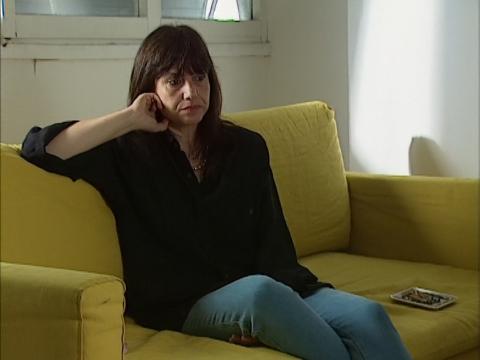
This is not one of the films I am used to. This one has no subject but rather an experience talked about by four collocutors. What we have in front of us are, simply, the answers: four women activists and one more – the one with the camera, asking questions. The difference between this and the other films I’ve seen becomes visible especially when we compare this art piece to other motion picture films which deal with the same topic.
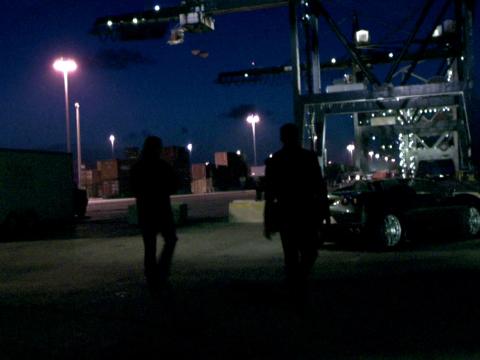
Interview with Dion Beebe, cinematographer of Miami Vice
Michael Mann was one of the first filmmakers working in Hollywood to embrace the digital. After earlier experiments with HD in Collateral (2004) and Ali (2001), Mann resolutely opts for the digital format in his 2006 Miami Vice. In this interview, Miami Vice’s cinematographer Dion Beebe explains that the choice of digital came not from practical concerns but through an experimental search, guided by Mann’s intent of the film. The interview bears witness to this turning point in film history where digital cinema still had to come to terms with itself, still had to start believing in its own possibilities.
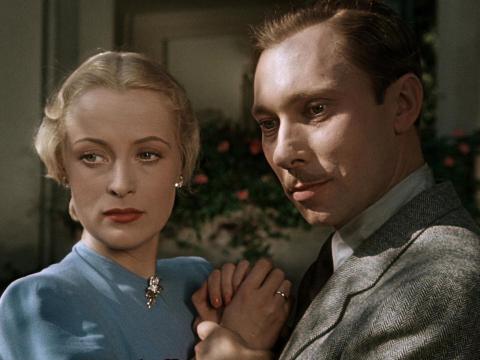
Veit Harlans Opfergang
In juli 1943 noteert de propagandachef van de nationaal-socialistische partij Joseph Goebbels in zijn dagboek over de film Opfergang van Veit Harlan: “Buitengewoon goed uitgevoerd qua kleur. Jammer genoeg is het verhaal, zoals dat van Immensee, een beetje te zwaar aangezet. (...) Hij begeeft zich op een pad dat niet veel succes lijkt te beloven. Hij moet terug naar de realiteit gebracht worden.” Als er ooit iemand alle zin voor realiteit kwijt was, is het wel Goebbels, om nog maar te zwijgen over zijn vriend Hitler, maar hier had Goebbels een punt. Opfergang heeft inderdaad iets delirants en daar dragen de schwärmerische koren zeker toe bij.
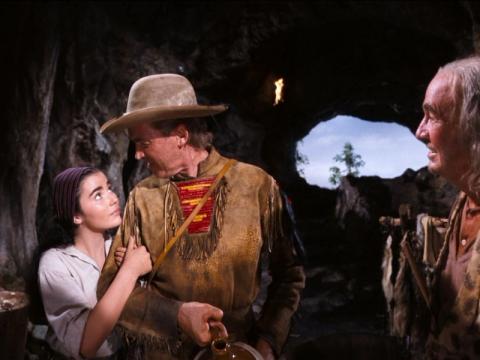
The western used to be the secret garden of male imagination. Access to it has been closed off, the paradise parceled out, its inhabitants dispossessed. Next up are “the men who like technology”, but cowboys like horses, landscapes, showdowns. For this, freedom is the condition, reward and punishment.
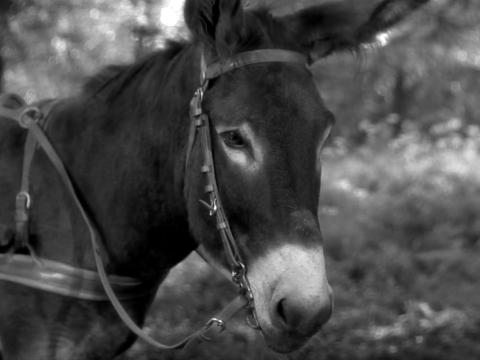
In de jaren zestig en zeventig publiceerde de Belgische auteur, criticus en filmmaker Eric de Kuyper over film in Streven. Uit deze bijzondere collectie teksten herpubliceert Sabzian een aantal markante teksten voorzien van een nieuw commentaar door De Kuyper. De Kuyper: “Au hasard Balthazar bespeelt een bijna onmogelijke spagaat tussen het al te evidente betekenisvolle (de allegorie) en het omgekeerde ervan: het betekenisloze. Iets onvatbaars, hoewel het op de meest concrete manier aanwezig is: in beelden.”
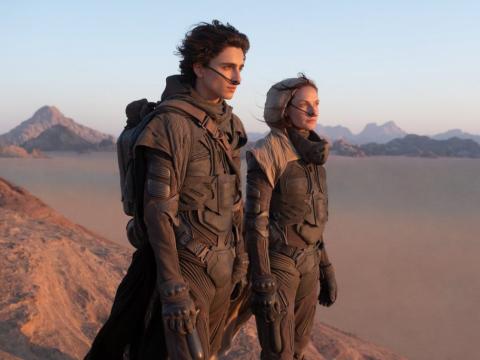
The desert aesthetic in question recurs across Villeneuve's oeuvre, from Blade Runner to Arrival, but it ultimately refers to one of his main sources of inspiration: the ‘Dune’ series written by American science fiction author Frank Herbert, which began to dominate the American West Coast and then took the alternative book circuit by storm in the late 1970s. For years, the director dreamed of bringing Herbert to the big screen, with enough financial clout and logistical support – an arsenal only a major studio could offer him. In the autumn of 2021, after some obligatory COVID delays, the day came: a childhood dream come true.
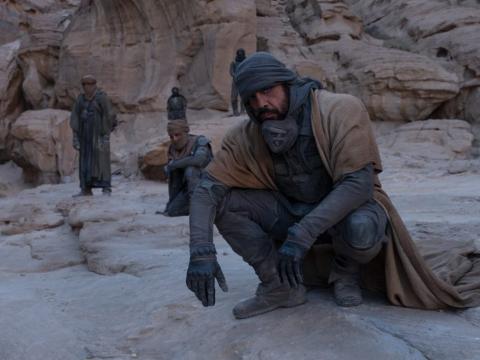
De esthetiek van de woestijn dook al meermaals op in Villeneuves oeuvre, van Blade Runner tot Arrival, maar verwijst uiteindelijk naar een van zijn voornaamste inspiratiebronnen: de Dune-reeks van de Amerikaanse sciencefictionauteur Frank Herbert, die eind jaren zeventig eerst de Amerikaanse westkust en daarna het alternatieve boekencircuit begon te domineren. Al jaren droomde de regisseur ervan om Herbert te verfilmen met genoeg financiële slagkracht en logistieke ondersteuning – een arsenaal dat alleen een grote studio hem zou kunnen bieden. In het najaar van 2021, na de obligate COVID-vertragingen, was het zover: een jeugddroom ging in vervulling.
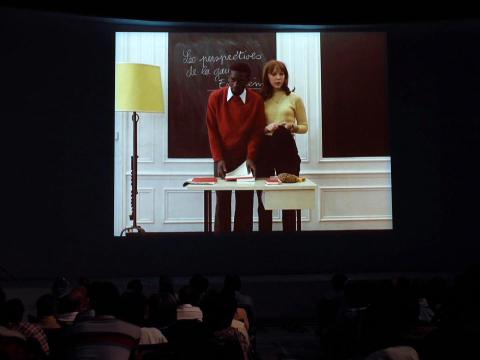
Omtrent Juste un mouvement
Het speelfilmdebuut van Vincent Meessen opent op de campus van de Universiteit van Nanterre, schijnbaar bezet door Godard. Het is een bricolage van de Brusselse kunstenaar-filmmaker. Hij lijmt buitenopnames van het schoolterrein en de naburige metrohalte aan interieurshots gemaakt in het plaatselijke Théâtre des Amandiers toen Godard er eind 2019 een tentoonstellingsparcours bouwde rond zijn meest recente film, Livre d’images. Een zwarte man met camera speelt min of meer voor gids. Met hem kijken we in verschillende ruimtes mee naar fragmenten uit verschillende onbenoemde filmwerken terwijl de Franse meester in al evenveel ongelabelde audiosnippers orakelt over le cinéma.
Farocki’s scope was broad. There was a lot of ground covered and many issues explored in the trajectory from early 16-millimeter films like Die Worte des Vorsitzenden [The Words of the Chairman] (1967), which protests the shah of Iran’s official visit to Berlin, to his last multiscreen sculptural installation, Parallel I–IV (2012–14), which examines the development of the virtual world of video games and their relationship to space. Indeed, surveying Farocki’s oeuvre serves as a revealing case study of the history of experimental filmmaking in Europe in the past half-century.
Gedachten bij Harun Farocki’s Bilder der Welt und Inschrift des Krieges
Bilder der Welt und Inschrift des Krieges is een sleutelwerk uit het oeuvre van Harun Farocki en werd oorspronkelijk opgestart als een project over de geschiedenis van de arbeid. Maar onvermijdelijk lijk je dan uit te komen bij oorlog. De film toont hoe beide geschiedenissen met elkaar zijn verstrengeld, elkaar voortstuwen en teren op dezelfde technologische vooruitgang.

Interview met Nina de Vroome over Globes
De filmpraktijk is voor De Vroome zowel een alibi voor ontmoetingen als een levensmodus. Het is maar via de camera en de microfoon, via vormen, dat de wereld, een wereld, lijkt te ontstaan. In haar nieuwe film Globes bekijken we die wereld vanuit het standpunt van bijen. De Vroome: “In de kleuren van de raten zie je het landschap weerspiegeld. Iedere cel in de raat heeft een andere kleur, door de pollen van verschillende bloemen. De raat biedt een beeld van het landschap, van de wereld rondom. Dat is één manier van kijken die de bijen aanreiken. De film is een verzameling van visies op het landschap, de cultuur en de geschiedenis die samen een soort lappendeken vormen.”
Omtrent La chinoise
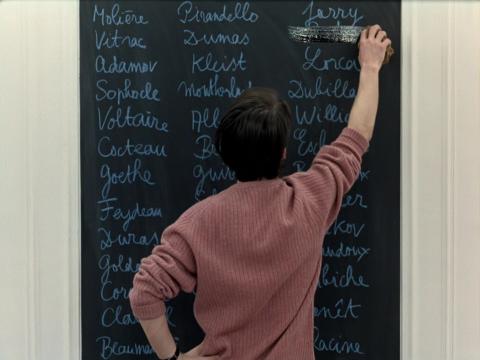
Een van mijn favoriete stukken over een van mijn favoriete filmmakers heet simpelweg Jean-Luc Godard. De Amerikaanse schilder, filmcriticus en auteur Manny Farber schreef het in 1968. Ik las het ongeveer dertig jaar na datum in Negative Space, de bundeling van zijn beste stukken uit die periode. Sindsdien schiet me bij het bekijken van een film van JLG geregeld de slotzin van het artikel te binnen: “In short, no other film-maker has so consistently made me feel like a stupid ass.” (...) In bevlogen proza laat Farber zich schamper uit over Godards productieve sixties-output, die hij met stijgende ergernis merkbaar op de voet heeft gevolgd en maar wat graag haat. De spreekwoordelijke druppel die aanleiding geeft tot balansopmaak: La chinoise.
André Bazin is sometimes called “the inventor of film criticism”. Entire generations of film critics and filmmakers, especially those associated with the Nouvelle Vague, are indebted to his writings on film. Film opens a “window on the world”, according to Bazin. His writings would also be important for the development of the auteur theory. Bazin: “Let’s face it, westerns aren’t taken seriously! Sure, there is no shortage of intellectuals declaring their love of westerns. One hears plenty of distinguished old gentlemen proclaiming it loudly. But even without looking for the posturing this declaration of faith entails (ask for titles and you will find that these self-proclaimed “western lovers” only see one or two a year!), one can be almost certain that it is based on a misunderstanding.”
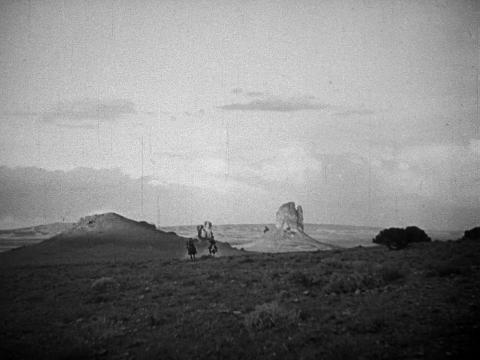
André Bazin est parfois appelé « l’inventeur de la critique cinématographique ». Des générations entières de critiques et de cinéastes, notamment ceux associés à la Nouvelle Vague, sont redevables à ses écrits sur le cinéma. Le film ouvre une « fenêtre sur le monde », selon Bazin. Ses écrits sont également importants pour le développement de la politique des auteurs. Bazin : « Avouons-le, le western n’est pas pris au sérieux ! Assurément, il ne manque pas d’intellectuels pour déclarer qu’ils adorent les westerns. On entend de vieux messieurs distingués le proclamer bien haut. Mais sans même chercher ce que peut comporter d’affectation cette profession de foi (exigez des titres et vous verrez que ces prétendus « amateurs de westerns » en voient un ou deux par an !), on peut être quasiment assuré qu’elle est fondée sur des malentendus. »
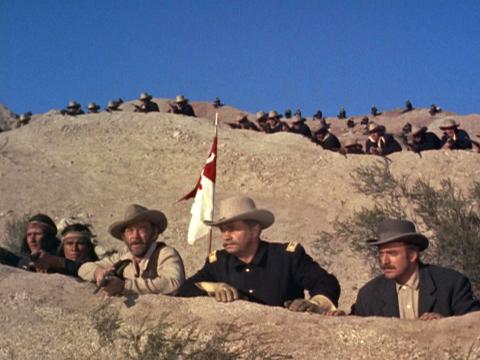
André Bazin wordt weleens de “uitvinder van de filmkritiek” genoemd. Hele generaties filmcritici en filmmakers, niet in het minst die verbonden met de Nouvelle Vague, zijn schatplichtig aan zijn schrijfsels over film. Film opent een “venster op de wereld”, aldus Bazin. Zijn geschriften zouden ook belangrijk zijn voor de ontwikkeling van de auteurstheorie. Bazin: “Laten we wel wezen, westerns worden niet serieus genomen! Er is uiteraard geen gebrek aan intellectuelen die verklaren dat ze dol zijn op westerns. Men hoort genoeg deftige oude heren het luid verkondigen. Maar zelfs zonder op zoek te gaan naar wat voor aanstellerij deze geloofsbelijdenis inhoudt (vraag naar titels en u zult zien dat deze zogenaamde “westernliefhebbers” er maar één of twee per jaar zien!), kan men er bijna zeker van zijn dat ze op een misverstand berust.”
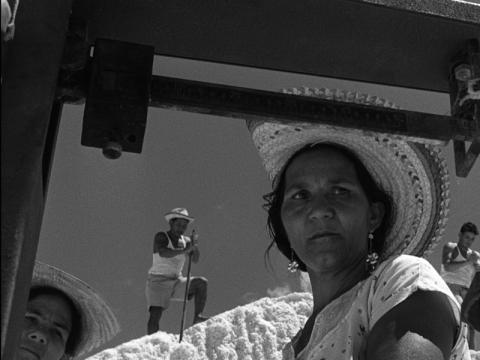
Notes on Cinema Ritrovato 2021
Just like last year, a coronavirus edition of Bologna’s unsurpassed Cinema Ritrovato festival took place this summer. The festival is unique for its broad focus on the history of film, showing new restorations and recent (re)discoveries rather than new films.
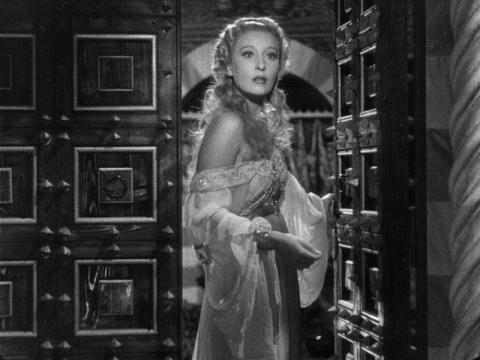
Notities bij Cinema Ritrovato 2021
Net zoals vorig jaar vond deze zomer een corona-editie plaats van het onvolprezen Cinema Ritrovato-festival in Bologna, dat met zijn brede focus op de gehele filmgeschiedenis enig is in zijn soort. Niet zozeer nieuwe films worden er vertoond, als wel nieuwe restauraties en recente (her)ontdekkingen.
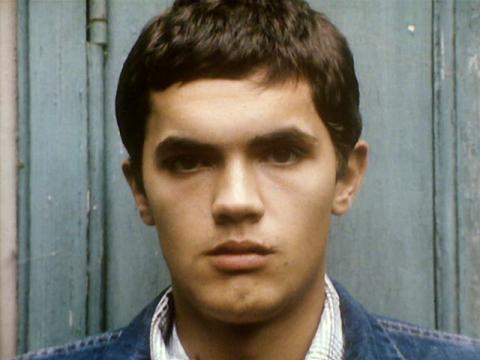
Aantekeningen over Witold Gombrowicz en de films van Jan Decorte
In slechts drie jaar tijd ontstond het gehele oeuvre van Jan Decorte (1950) als filmmaker. Hij regisseerde het televisiespel Nature morte (1976), de langspeelfilms Pierre (1976) en Hedda Gabler (1978), en de televisiefilm Gombrowicz: voorvallen, avonturen (1977). Na de voltooiing van deze films maakte Decorte geen films meer; hij had naar eigen zeggen genoeg van productionele rompslomp en filmcritici die zijn werk niet serieus wensten te nemen. (...) Ook de Poolse auteur Witold Gombrowicz (1904-1969), onderwerp van Decortes televisiefilm, kreeg amper bijval van binnen- en buitenlandse critici en werd geregeld gemakzuchtig aan de kant geschoven.
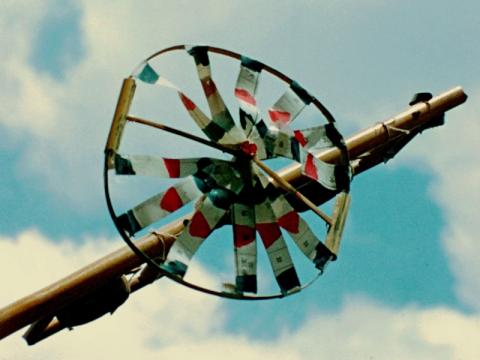
A Model Film
André Bazin is sometimes called “the inventor of film criticism”. Entire generations of film critics and filmmakers, especially those associated with the Nouvelle Vague, are indebted to his writings on film. Film opens a “window on the world”, according to Bazin. His writings would also be important for the development of the auteur theory. Bazin: “Chris Marker’s Sunday in Peking unfortunately lasts just twenty minutes, and the crop of images seems poor compared to Pedrazzini’s. But the image is not limited here to itself. Its value is developed in two supplementary dimensions: the editing and the commentary.”
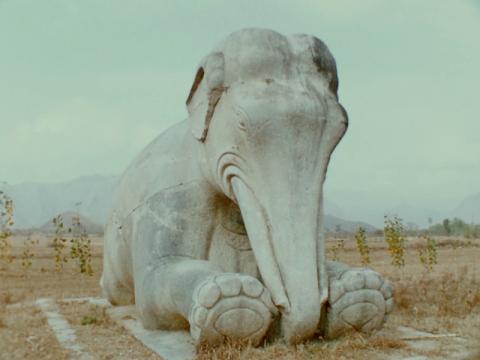
Een modelfilm
André Bazin wordt weleens de “uitvinder van de filmkritiek” genoemd. Hele generaties filmcritici en filmmakers, niet in het minst die verbonden met de Nouvelle Vague, zijn schatplichtig aan zijn schrijfsels over film. Film opent een “venster op de wereld”, aldus Bazin. Zijn geschriften zouden ook belangrijk zijn voor de ontwikkeling van de auteurstheorie. Bazin: “Chris Markers Dimanche à Pékin duurt helaas maar twintig minuten en de beeldenoogst lijkt magerder dan die van Pedrazzini. Maar het beeld beperkt zich hier niet tot zichzelf. De waarde ervan wordt bepaald door twee extra dimensies: de montage en het commentaar.”
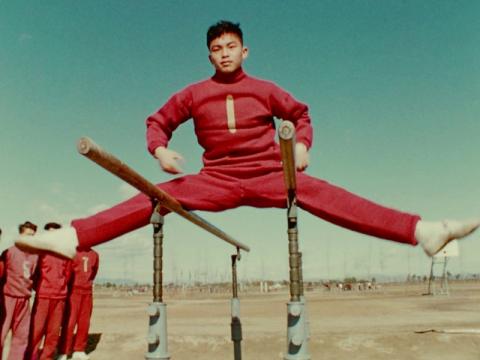
Un film modèle
André Bazin est parfois appelé « l’inventeur de la critique cinématographique ». Des générations entières de critiques et de cinéastes, notamment ceux associés à la Nouvelle Vague, sont redevables à ses écrits sur le cinéma. Le film ouvre une « fenêtre sur le monde », selon Bazin. Ses écrits sont également importants pour le développement de la politique des auteurs. Bazin : « Dimanche à Pékin de Chris Marker ne dure malheureusement que vingt minutes et la moisson d’images paraît mince à côté de celle de Pedrazzini. Mais l’image n’est pas ici limitée à elle-même. Sa valeur se développe dans deux dimensions supplémentaires, celle du montage et celle du commentaire. »
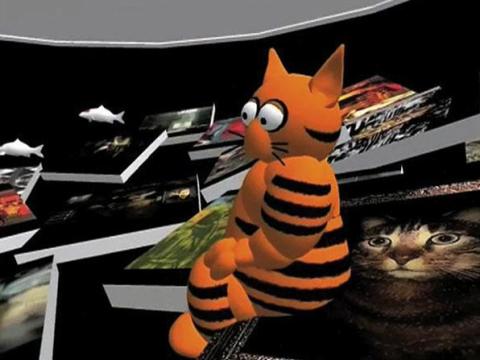
“Alongside his activities as a writer, critic, photographer, scriptwriter, filmmaker, photo editor, media artist and cartoonist/blogger, Chris Marker has recently also begun frequenting Second Life, where his avatar bears the name Sergei Murasaki. Under this guise, Marker consented to a rare online interview, where he advances the notion that he never even considered himself to be a filmmaker. Ja-mais. Furthermore, he thinks the label of ‘multi-media artist’ sounds altogether too contemporary. Rather, Marker prefers to be characterized as an artisanal bricoleur, albeit one who always puts his own unique signature on everything he tinkers with.”
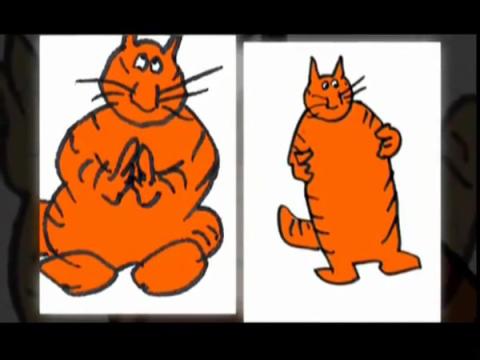
"Naast zijn activiteiten als schrijver, criticus, fotograaf, scenarist, filmmaker, fotoredacteur, mediakunstenaar en cartoonist/blogger frequenteert Chris Marker sinds kort ook Second Life, waar zijn avatar Sergei Murasaki heet. In die gedaante stond Marker een zeldzaam online interview toe, waarin hij stellig poneert dat hij zichzelf nooit als een cineast heeft beschouwd. Ja-mais. Multimediakunstenaar vindt hij dan weer te eigentijds klinken. Hij houdt het liever op een typering als ambachtelijk bricoleur. Maar dan wel een knutselaar die aan alles een eigen signatuur verleent.”
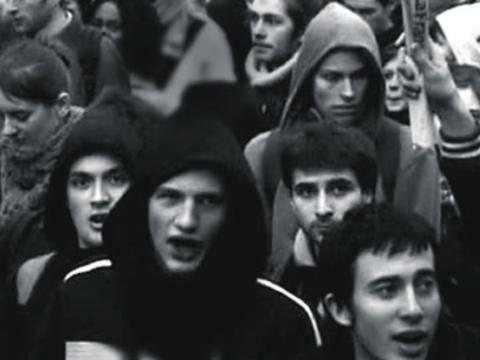
Staring Back brings together about two hundred black-and-white photo portraits produced by Chris Marker from 1952 to 2006. It arose unforeseen (but what route better, given how we believe we’ve come to know him?) from an exchange of letters.
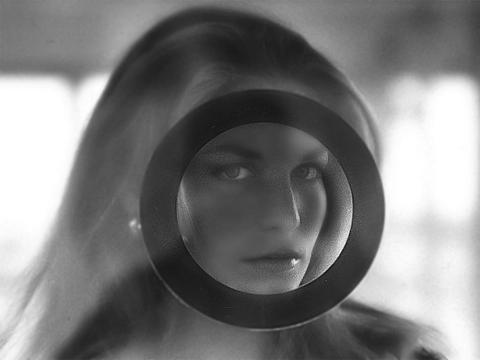
Staring Back verzamelt zowat tweehonderd zwart-witportretten, die Chris Marker tussen 1952 en 2006 maakte. Het ontstond onverwacht naar aanleiding van een briefwisseling (maar is er een betere weg, gezien de manier waarop we denken dat we hem leerden kennen?)
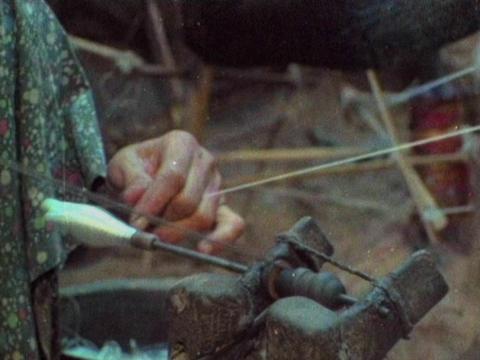
Atteyat Al-Abnoudy, a pioneer of documentary filmmaking, has been making the voices of the poor heard since the 1970s. We meet her when the first Women’s Film Festival is paying tribute to her. (...) Some call her “the poet of the documentary”. Others criticize her for portraying the poor, the bratty children, the run-down places and the abject sides of reality. Likewise, Egyptian television, the only means of broadcasting her work, asks her to disclaim her inventories of misery in order to benefit from funding. She retorts to her detractors: “You must know how to reveal reality with its dark and luminous sides, without hiding an admiration for the total commitment of the beings whose lives meet History.”
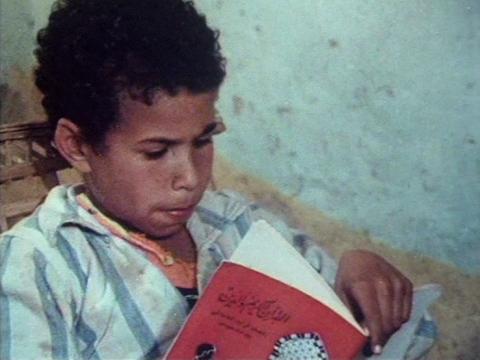
Atteyat Al-Abnoudy’s definition of documentaries is simple and all-encompassing: “No script, no actors, no direction. The cameraman follows the subject.” (...) “What I want,” says Al-Abnoudy, leaning forward to make the point, “is a Déscription de l’Egypte on film.” Layers and layers of thick description that would make Clifford Geertz happy, testimonies from people rarely heard from, images of daily struggles to survive, dreams deferred but not forgotten.
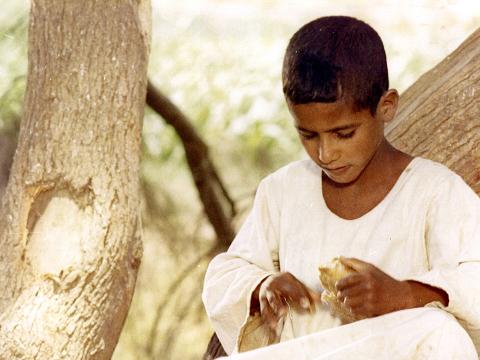
A Conversation with Atteyat Al-Abnoudy
We listen to Atteyat Al-Abnoudy speak in a loud voice about her vision for art, life and reality; and we get to know her inimitable, riotous character in return. Atteyat Al-Abnoudy: “I don’t care for the prizes as much as I care for my films to be shown in my own country, because I am offering pure Egyptian cinema to the Egyptian people, and I am addressing the existence of the authentic Egyptian human. Regardless of how many prizes I win around the world, their entire sum is not as worthy as one single glance of a pair of Egyptian eyes that give my films their glory and true worth.”
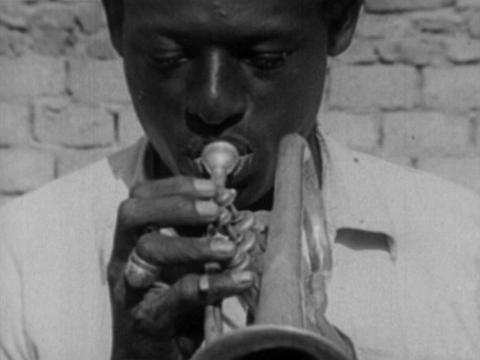
A Conversation with Atteyat Al-Abnoudy
“I look at life in a poetic way. I love to live and I think that poor people in my country are all doing their best to work and to create life. I try in all my films to convey this love of life, even if the people live in very poor conditions. I treat them with great respect. I love to see their faces on the screen. I come from the working class, but film is a middle-class medium, so you have to be strong in order to maintain your relationship to your class. Otherwise you are lost.”
A Conversation with Atteyat Al-Abnoudy
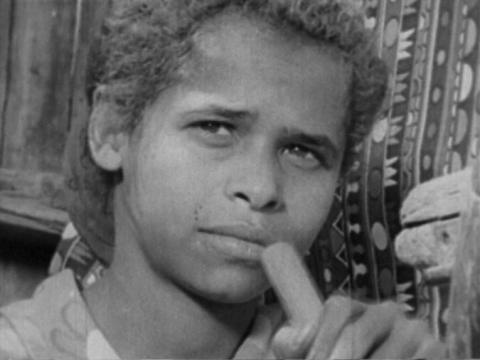
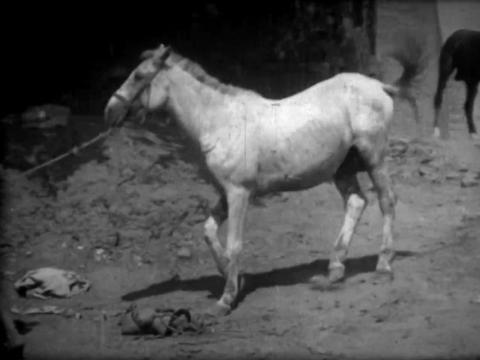
Atteyat Al-Abnoudy, a young Egyptian filmmaker, has won the Grand Prix du film documentaire in Grenoble and the International Federation of Film Critics prize for Horse of Mud. And for her film The Sad Song of Touha, she has won the Novais Teixeira prize: a prize founded in memory of our colleague who died last year and who was much loved by French critics. We met Atteyat Al-Abnoudy before she was awarded these important prizes, important for the direction she wishes to give to her work. Al-Abnoudy: “When I start a film, I don’t think about its form. When I became friends with the people in the factory, the only way for me as a filmmaker to express my feelings for them was to make a film.”
A Conversation with Atteyat Al-Abnoudy
“I don’t want to make films because of some beautiful subject or because there’s something fascinating me in the colours or anything like that. It’s at least 50 years now making films in Egypt and always we see on the screen lovely houses and lovely hills, the decor and other fantastic things for us. But the poor people and the working class are not on the screen, when they have the right to be.”
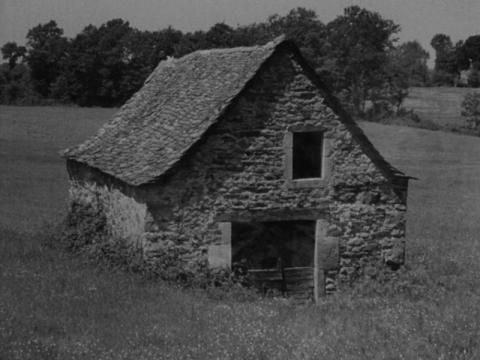
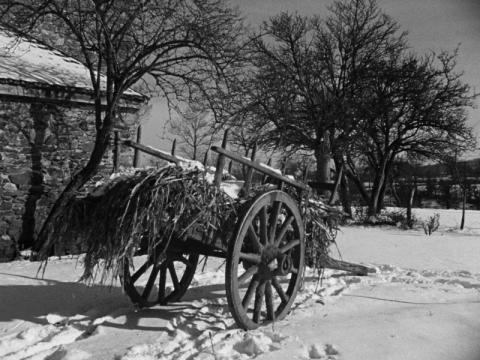
Je savais déjà qu’on ne fait pas tourner comme ça du jour au lendemain des gars qui ne sont pas des comédiens. Surtout quand tu veux faire un long métrage. Et là, je me jetais dans un long métrage parlant. Des copains m’avaient dit : « Méfie-toi ! » Je leur répondais : « Merde ! Flaherty a bien tourné Nanouk, il a bien tourné Moana ! » « Ah oui, d’accord, mais c’est du muet ! Toi, tes paysans, quand ils vont ouvrir la bouche, tu vas voir, ce sera la catastrophe. » J’ai quand même tenu bon. Bien sûr, on ne peut pas leur faire jouer Le Cid ou Hamlet... Tu es obligé de leur faire jouer une chose qui leur tient aux tripes.
Reflets d’une polémique
Le film à peine terminé, commence « l’affaire Farrebique » : le jury de sélection du 1er Festival de Cannes, l’élimine de la compétition [...] « Quelques réserves que l’on puisse faire sur la conception très arbitraire du sujet, écrit Georges Sadoul, Farrebique avait une place marquée au Festival, alors qu’on eût pu refuser même un strapontin à la logorrhée particulièrement incontinente que constituait Un revenant. Mais c’est précisément le dialoguiste de ce film, Henri Jeanson, membre de la commission, qui a batailléé pour le refus de Farrebique, bien qu’il s’en défende : « Farrebique n’a pas été proposé à nos suffrages. Je suis, il est vrai, de ceux qui trouvent ce film ennuyeux. Je ne tiens pas la bouse de vache pour une matière photogénique. J’ai peut-être tort, j’en conviens, mais je proteste contre ceux qui prétendent en toute mauvaise foi que Farrebique a été recalé. »
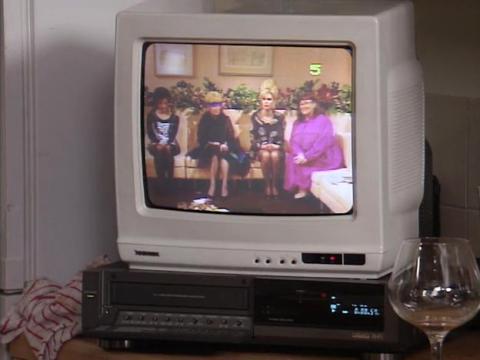
In the series ‘One Spectator Among Others’ Herman Asselberghs and Gerard-Jan Claes invite various passionate film lovers to elaborate on their viewing practice by email. Filmmakers, artists, critics, researchers, authors, programmers, cinemagoers, TV enthusiasts, Netflixers, YouTubers, torrent users... After the first instalment with Herman Asselberghs, we continue the series with Rebecca Jane Arthur, a Scottish visual artist, living in Brussels. She is co-founder of elephy, a production and distribution platform for film and media art based in Brussels.
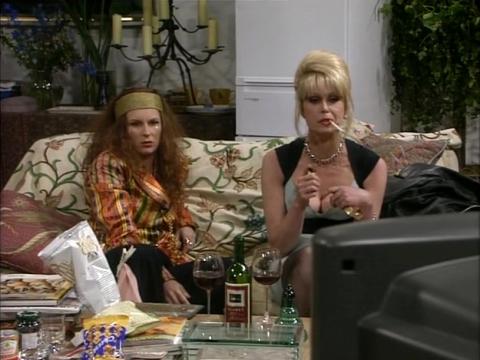
In ‘Een kijker onder de anderen’ laten Herman Asselberghs en Gerard-Jan Claes via e-mail allerlei gepassioneerde filmliefhebbers uitvoerig aan het woord over hun kijkpraktijk. Filmmakers, kunstenaars, critici, onderzoekers, auteurs, programmatoren, bioscoopbezoekers, tv-fanaten, netflixers, youtubers, torrentgebruikers,… Na de eerste aflevering met Herman Asselberghs zetten we de reeks voort met Rebecca Jane Arthur, een Schotse beeldend kunstenares die in Brussel woont. Naast haar artistieke praktijk werkt Arthur als producent, schrijver, copy-editor en vertaler. Ze is ook medeoprichter van elephy, een productie- en distributieplatform voor film- en mediakunst gevestigd in Brussel.
In flagrante delicto
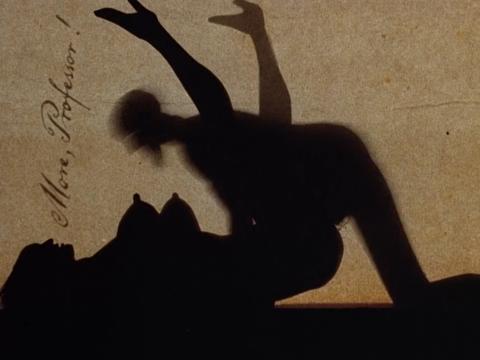
In close-up verschijnen achtereenvolgens een penis en schaamhaar, borsten, en opwaartse benen. De eerste beelden uit dit aanstootgevende schimmenspel zijn vrij snel na elkaar gemonteerd. (...) Het ratelende geluid van het pornografische speelgoed roept associaties op met een filmprojector in overdrive. Zo opent Walerian Borowczyks Une collection particulière (1973) met een reflectie op het filmmedium en zijn voyeuristische genoegens.
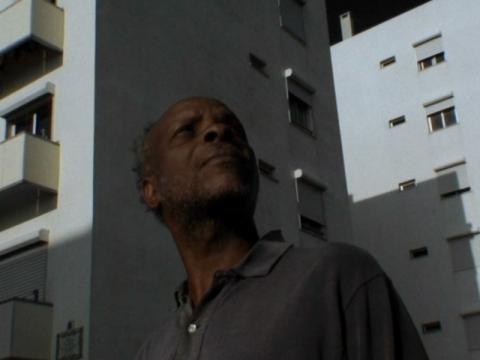
The Portuguese filmmaker Pedro Costa made his first film, Blood, in 1989. In 1994, Down to Earth followed, which was filmed in Cape Verde. Costa came back from the island with a number of parcels and letters from Cape Verdeans he had met there, addressed to their relatives and friends who had emigrated to Portugal. His task as a postman brought him to Lisbon’s Fontainhas neighbourhood, where many migrants were living at the time. After this first contact with the inhabitants of the neighbourhood, Costa kept returning there, filming Ossos in 1997, the first instalment in a series of films he would make with the inhabitants of Fontainhas. Pedro Costa: “Fontainhas is, indeed, the product of something, of the factories here, of people moving from some northern Scottish village to Sheffield. That is what it’s about.”
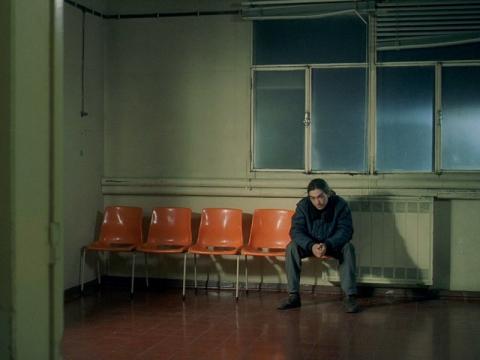
De Portugese filmmaker Pedro Costa maakte zijn eerste film Blood in 1989. In 1994 volgde het in Kaapverdië gefilmde Down to Earth. Costa kwam terug van het eiland met pakjes en brieven van Kaapverdianen voor hun familieleden en vrienden die naar Portugal waren geëmigreerd. Zijn taak als postbode bracht hem naar de wijk Fontainhas in Lissabon, waar veel migranten woonden. Na het eerste contact met de bewoners van de wijk ging Costa verschillende keren terug en in 1997 filmde hij er Ossos, de eerste van een reeks films met de bewoners van Fontainhas. Pedro Costa: “Fontainhas is inderdaad het gevolg van iets, van de fabrieken hier, van mensen die van een of ander Noord-Schots dorp naar Sheffield verhuisden. Daar gaat het over.”
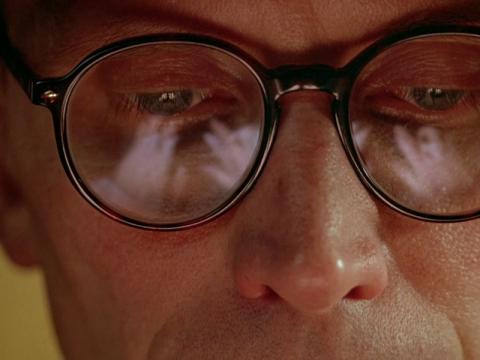
De taal is een parasiet
Meer nog dan een vreemde film is Naked Lunch een film die mainstreamfilms vreemd maakt. Er komt immers iets bloot te liggen van de mechanismen die we als normaal beschouwen. We kunnen de parallel trekken met medici die het normale fysieke functioneren trachten te begrijpen door de afwijking, een ziekte, te onderzoeken.
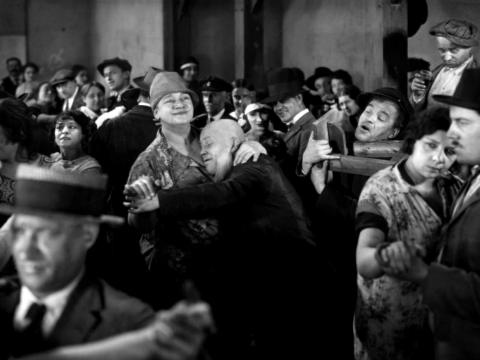
Van 9 juni tot en met 31 augustus wijdt CINEMATEK een tentoonstelling aan Fernand Schirren, de hoofdpianist die stille films begeleidde vanaf de oprichting van het Filmmuseum in 1962 tot 1982. In 1982 hielp Schirren mee aan het samenstellen van een vaste ploeg pianisten die de dagelijkse projecties in CINEMATEK zouden begeleiden, waaronder Jean-Luc Plouvier. Plouvier: “Zonder voorbereiding improviseren op stille films is een bijzondere discipline, sterk te onderscheiden van het schrijven van filmmuziek. De pianist staat niet aan de kant van de regisseur en de monteur, die voorbereid zijn en hun werk meestal verbergen.”
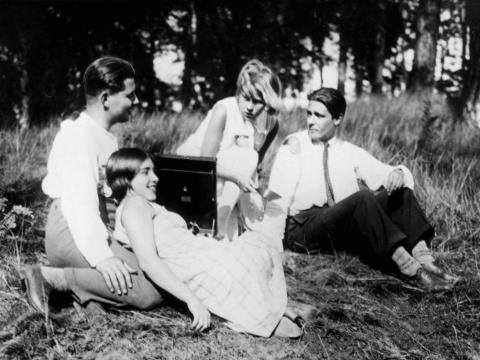
Du 9 juin au 31 août, CINEMATEK consacre une exposition à Fernand Schirren, le pianiste principal à avoir accompagné les films muets de la fondation du Musée du Cinéma en 1962 à 1982. En 1982, Schirren participe à la constitution d’une équipe permanente de pianistes pour accompagner les projections quotidiennes, dont Jean-Luc Plouvier. Plouvier: “L’improvisation sur muets, sans préparation, est un artisanat particulier, à distinguer absolument de l’écriture d’une musique de film. Le pianiste n’est pas situé du côté du réalisateur, dont l’action est préméditée et l’effort généralement dissimulé.”
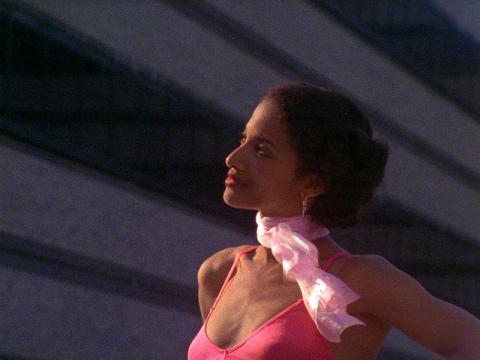
I think of myself as someone who has an instinctual understanding of what it is to be a minority person. That is someone whose existence is highly marginal in the society and understands it in the gut but will not be dominated by it. Therefore, I refuse all of those labels, such as Black Woman Filmmaker, because I believe in my work as something that can be looked at without labels.
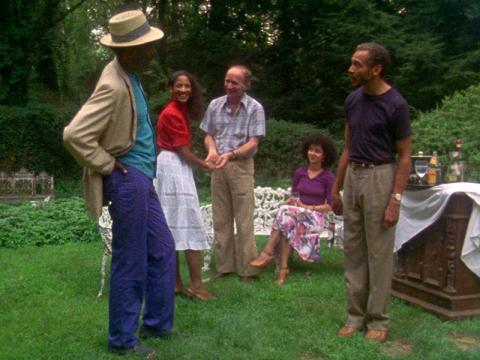
A Conversation with Kathleen Collins Prettyman
“The thing that writing teaches you, which is probably the thing I’ve discovered that I know best about, is the mastery of form. And each discipline is really an exercise in understanding what is allowable in the structure of that particular form. Screenplay writing has curves and you have to write for the curves of the story.”
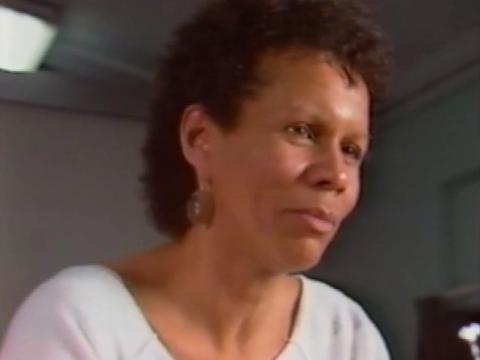
In order to get at how I think about making a movie at a low budget, I have to be able to give you the theory, the narrative theory, that supports my reasons for making movies. If any of you have seen my work, you know I’m only interested in telling stories, and most of those stories are fairly contemporary. And to some degree they are ahistorical, meaning, though I think that is going to change, that the focus of the work is entirely narrative in orientation.
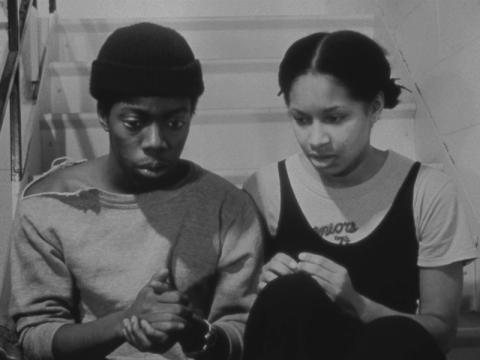
It would be more than fair to say that in American films, the motif of adventure is one of the favorite story-telling devices. So many films come to mind – from the most banal to the most memorable of the western, detective, and war genre films of the 30’s, 40’s and 50’s to the rash of modern-day science fiction films patterned on the Star Wars or Close Encounters formulas. (...) Two other films stand out in my mind that take the adventure story theme to another level, and therefore deserve a closer look: Charles Lane’s A Place in Time, and Charles Burnett’s Killer Of Sheep.
Het nieuws passeerde bijna geruisloos: eind februari vroeg Filmmagie het faillissement aan, het oudste filmtijdschrift van het land legde finaal de boeken neer. (...) Drie weken geleden lanceerde het VAF een oproep voor projectsubsidies van 65 000 euro voor een opvolger van Filmmagie. Het tijdschrift moet focussen “op onafhankelijke filmkritiek met oog voor enerzijds kwaliteitsfilms met een culturele en maatschappelijke betekenis en anderzijds voor de ontwikkeling van filmcultuur in Vlaanderen en daarbuiten”. Daarbij moeten “achtergrond, kritiek en verdieping hand in hand gaan”.
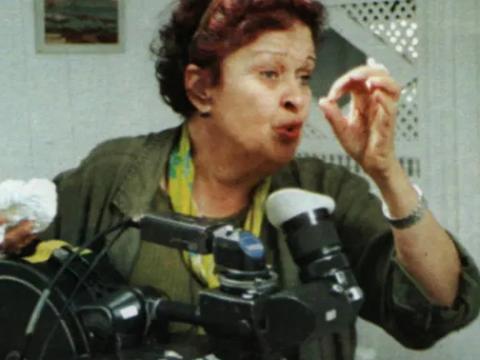
As the pioneer of female Tunisian filmmakers, Selma Baccar has first and foremost also answered back to men’s representations of women in her own films. From The Awakening (1966) to Fatma 75 (1975), The Dance of Fire (1995) to Flower of Oblivion (2006), the historical detail, contemporary relevance and concern with women in a much wider context have gained her the reputation of the “grande dame” of Tunisian cinema: a feminist activist. Selma Baccar: “As an activist for women’s rights, I have always felt that women are the cornerstone of society in general, and as a child of the age of protests in the 1960s I felt that I could be not only a spokesperson for the Tunisian woman but also an informer and critic of the contemporary atmosphere in Tunisia.”
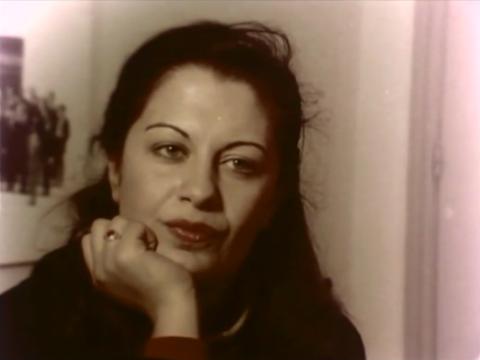
Interview with Selma Baccar
“The International Women’s Year provided me with the opportunity to make it [Fatma 75]. I figured that, for the first Tunisian film entirely devoted to this subject, I must not resort to fiction but make an analytical work. Through this film, I set about demystifying what is called ‘the miracle of Tunisian women’s emancipation’.”
Interview with Selma Baccar
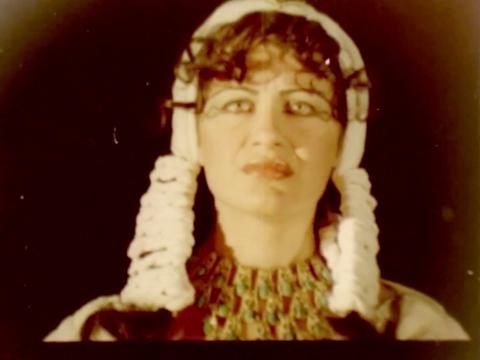
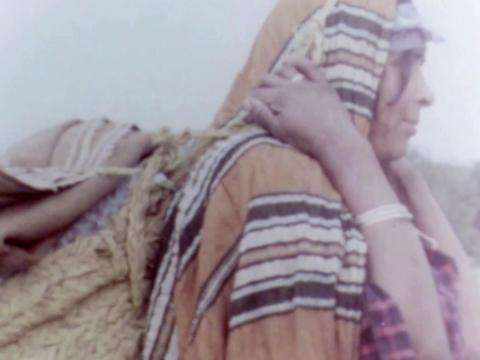
Selma Baccar’s film opens with a series of portraits of women who have marked the history of Tunisia through the ages. In a theatrical way, Sophonisba, Kahina, Jelajil, and Aziza present themselves to us as the predecessors, through their courageous actions, of this young girl, Fatma, in 1975.
Interview with Selma Baccar
Fatma 75’s approach is quite original. The film is based on essays and histories written on the Tunisian feminist movement, using fiction to make its message accessible to the general public. Selma baccar: “As for my experience as a woman director, I think it was very important for me. My relationship with the crew and the actors was excellent. The shooting of Fatma 75 was “all roses”. On the other hand, in order to obtain the necessary funding for the production of the film, I felt a great mistrust from some of the people in charge, although I had a special card up my sleeve: a film about women made by a woman. But the problem of film production in Tunisia is the same for men and women: it’s negative for both of them.”
“Given this situation, the three of us – a filmmaker, a critic and a technician in the Arab cinema – have decided to establish an ‘Assistance Fund’ for the self-expression of the Arab woman in the cinema. A yearly prize of 10,000 ff (about $2500) will be awarded to the best script for a short film from those proposals submitted by Arab women undertaking their first film.”
Interview with Jan Decorte
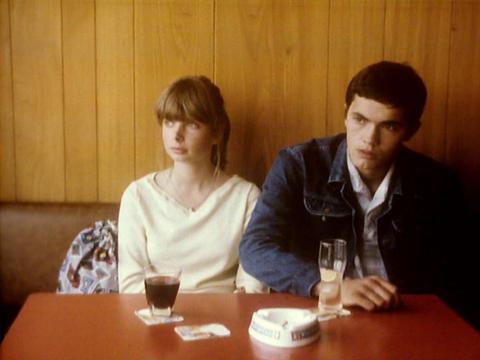
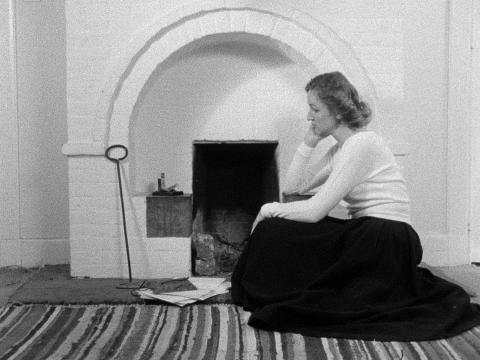
“It’s much more enjoyable to watch theatre than to make theatre, and it is much more enjoyable to make films than to watch a film, because film is a much more evolved medium when it comes to the material you are interpreting. Imagine to simply steal someone’s face, their appearance, capturing it at the angle you’re most attracted to, where it moves you, and to try to piece together all that you’ve stolen afterwards during the editing; that you can then fabricate something very moving.”
Interview met Jan Decorte
“Het is veel plezieriger om naar theater te kijken dan om theater te maken, en het is veel plezieriger om film te maken dan naar film te kijken, omdat film een veel meer geëvolueerd medium is wat lezen betreft, wat de lectuur betreft. Dat je gewoon iemand zijn gezicht, zijn voorkomen steelt, inblikt op het ogenblik dat het jou bevalt, ontroert, en dat je bij de montage ziet hoe al die berovingen bij elkaar passen.”
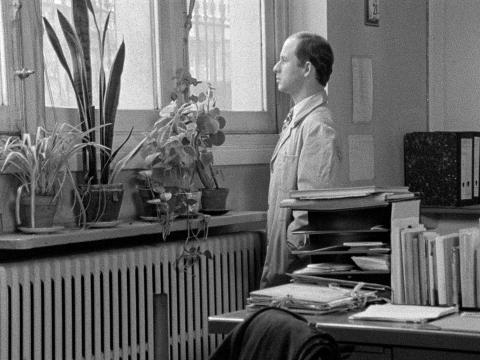
It is an intriguing film because of its original position in the field of Flemish film production. This is not some attempt at a standard technical finish that’s devoid of aesthetic politics. It is a clearly defined boundary, an emphatic style within which the entire film must develop. This is an unusual (almost suicidal) road for a young (Flemish) filmmaker. His colleagues are out to make attractive films that people will consider solid and professionally made. Films that are able to attract official subsidies, but only lead the public to believe that “we” might one day be able to make one too.
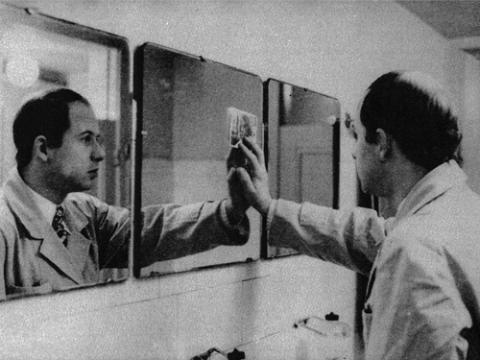
Het is een intrigerende film door zijn originele opstelling in het veld van de Vlaamse filmproductie. Hier geen gooi naar een standaardnorm van technische afwerking die door geen esthetische politiek gedragen wordt. Wel een nadrukkelijk afgebakende grens, een nadrukkelijke stijl waarbinnen de hele film zich dient te ontplooien. Dit is een ongewone (bijna suïcidale) weg voor een jong (Vlaams) cineast. Zijn collega’s is het altijd weer te doen om aantrekkelijke films te maken, waarvan men zal zeggen dat ze degelijk en professioneel gemaakt zijn. Films die een officiële subsidiebeurs kunnen losmaken, maar het publiek slechts de vaststelling kunnen ontlokken dat ‘wij’ het misschien ooit ook zullen kunnen.
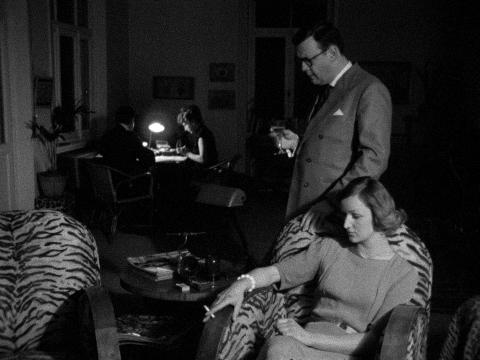
“It’s a sort of acrobatic distance, here in Hedda Gabler, that makes you hold your breath in suspense (the acting is wonderful!) until it should be released by laughter. There’s a spluttering retelling of a wildly unlikely story, a kooky imitation of melodramatic conflicts, a travesty of critical unriddling, offering this extremely slow, calm countercurrent full of rapids and waterfalls.”
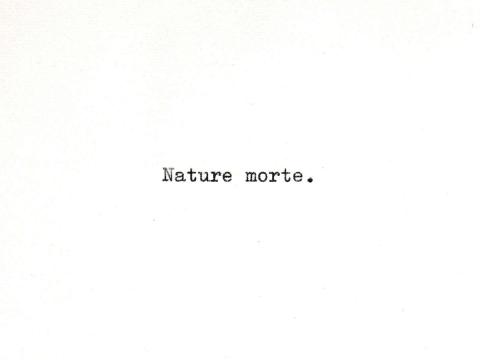
“De hele tijd door moest ik denken aan De Metsiers van Hugo Claus en toen ik nog een heel jong adolescent was. Er is een gelijkaardige politiek in de provocatie zowel in het verhaal als in het televisiespel. Er is dezelfde inkapseling van de hele context en de verhaal-wereld in het bewustzijn van één enkele persoon. Het zijn de obsessies van de zoon die de verhoudingen in het gezin bepalen en er hun zin aan geven.”
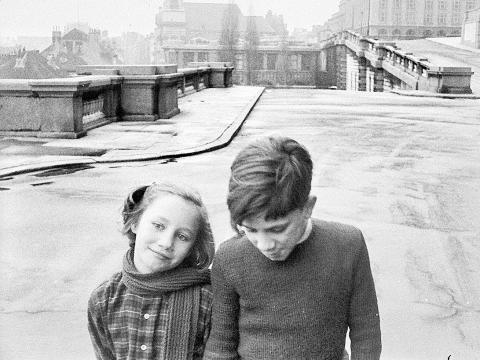
Met Le chantier des gosses (1970) verwezenlijkte autodidact Jean Harlez (1924) zijn grote droom om een langspeelfilm te maken in de Brusselse Marollenwijk. Met kinderen uit de buurt en een zelfgebouwde camera improviseerde Harlez er het verhaal van een stel straatjongens die hun stuk braakliggend speelterrein verdedigen tegen de landmeters en ondernemers die er een sociale woontoren komen neerpoten. Hoe deze “eerste Belgische neorealistische film” tot stand kwam en uiteindelijk ontvangen werd, leest als een even spectaculaire als schrijnende strijd.
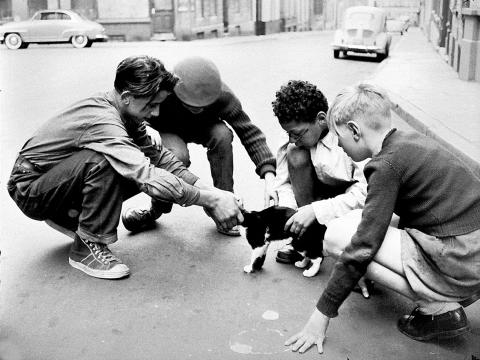
En 1956, Paul De Swaef passe sur le tournage du film Le chantier des gosses de Jean Harlez pour le journal dominical belge Germinal, film qui sera finalement présenté en première à Bruxelles en 1970.
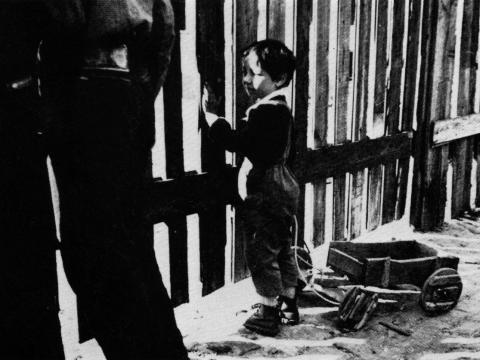
Het is voor mij niet eenvoudig om me de lange geschiedenis van Le chantier des gosses voor de geest te halen. Ze vloeit dikwijls over in de mijne, de onze, aangezien ik de vrouw ben van Jean Harlez. In 1956 vatte Jean het plan op om met eigen middelen een langspeelfictiefilm te draaien in een volkswijk. Hij wou gebruik maken van de (omgeving van de) Marollen als decor en de wijkbewoners als acteurs om het verhaal te vertellen van een groep kinderen die een braakliggend terrein uitkiezen als ontmoetings- en speelplaats.
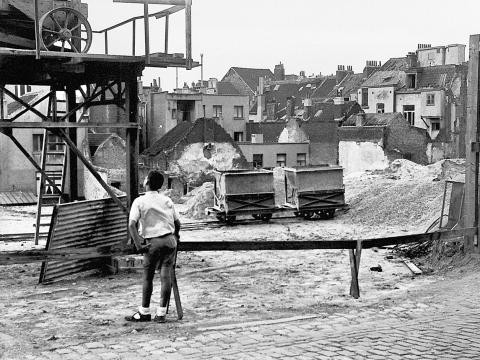
Il n’est pas simple pour moi d'évoquer la longue histoire du Chantier des gosses. Elle se confond parfois avec la mienne, avec la nôtre, puisque je suis la femme de Jean Harlez. En 1956, Jean avait conçu I ambition de tourner avec ses propres fonds un long métrage de fiction dans un quartier populaire. Il voulait développer en utilisant les Marolles et leurs environs comme décor et leurs habitants comme acteurs, l’histoire d’une bande d’enfants qui se choisissent un terrain vague comme lieu de réunion et de jeux.
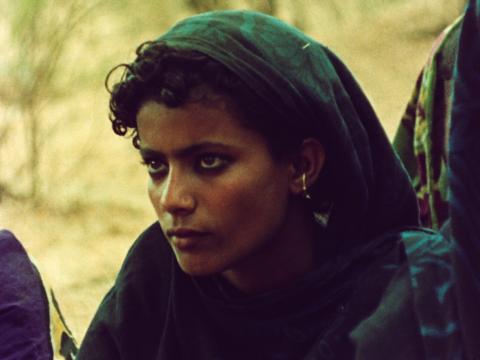
“But I’m going to reveal a military secret to you that I haven’t revealed to anyone else, because the Tricontinental is as dear to you as it is to me. Thus, your interview will not be like others. People wonder why Heiny Srour has always been a pioneer, a groundbreaker, both in substance and form, why she has always gone off the beaten track. Why, in all of Arab cinema, was she the first to shoot in Dhofar and, also, to go to Vietnam? Why has she been innovative in various domains? The reason is that I was fortunate enough to be born in Lebanon, part of an ultra-minority, unrepresented in Parliament. That immediately offers you a wide-angle view of the world, which the Anglo-Saxons call ‘strategic thinking’.”
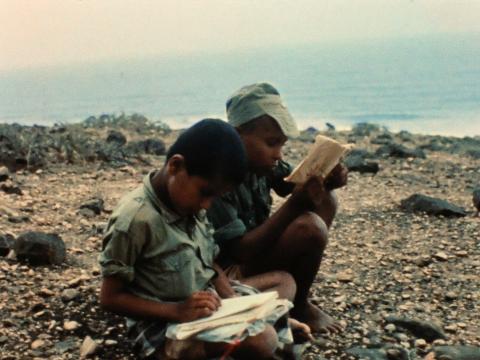
Once again, the guerrillas did not tell me about the difficulties of the coming ordeal. This strategy increasingly infuriates me. It’s secrecy plain and simple. Yet an intellectual had warned me: “They say it’s a two-hour walk. It takes me five or six hours.” Yet the Yemeni cameraman exclaims when they go to fetch us water: “But these men are like goats. They don’t walk. They are jumping on the rocks.” I still get angry when their “few hours of walking” become ten or fourteen.
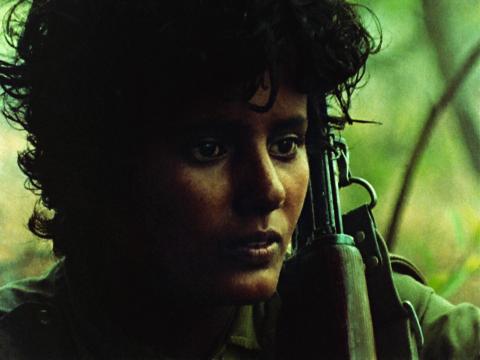
All this to explain why I have compulsively found myself making films that are so much more difficult to make than those of my male colleagues.
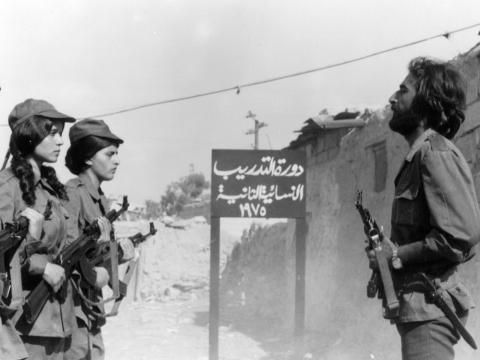
“At the age of 18 in 1963, two films that were turning points for me were Fellini’s 81⁄2 and Cléo de 5 à 7 by a French woman, Agnès Varda. I told myself then that painting is not a big loss, dancing is not a loss, writing is not a loss: it is filmmaking that I must do. I felt cinema was the language that I wanted to express myself with. I could understand that the cinema was the most powerful means, the most complete and the most total to express what you want. When I saw the Fellini film, I thought, “I am a woman, I can never be a filmmaker”. But when I saw the film by Agnès, first I thought, “I can make it”. Then I saw that Agnès was a European woman, I was an Arab woman, and there was no chance in hell that I could make it. Lack of models made me feel depressed too. Now I have two films behind me...”
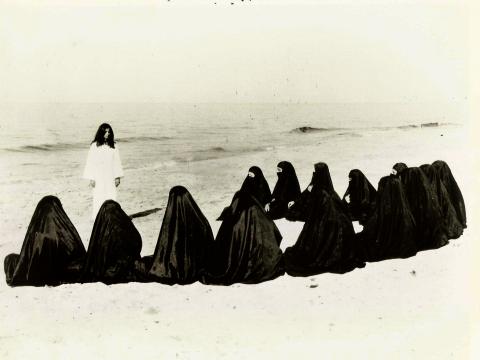
Yet, Leila is not an anthropological journey but a survey of mythic and symbolic protest. Through her “eye” comes a search for political character in a Lebanon now permanently stained by the massacre of Sabra and Chatila; caught in the throes of bitter civil war; Israel’s “backyard”. Leila prods these moments of loss and discovers ghosts of a very different life before the wolves.
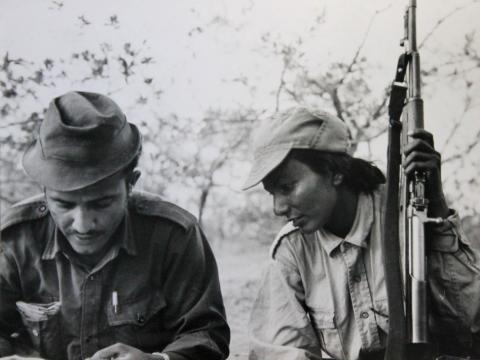
Certainly, The Hour of Liberation has arrived. But what kind of liberation is it? Heiny Srour not only understands it in the political sense of the term, but in a more absolute sense. The liberation of Arab women is at the heart of this film, which has, unfortunately, hardly been screened in our countries. The difficulties encountered during and after the shoot of the film need to be addressed. They give you an idea of what a woman has to face when she decides not to give in and to push her project to the limit...
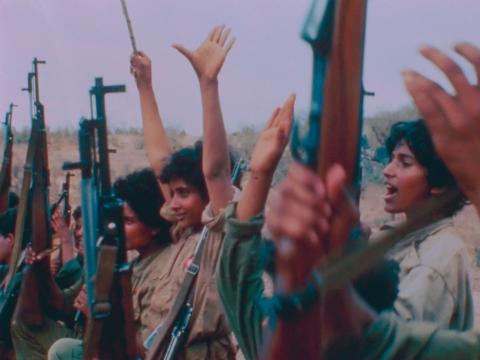
Woman, Arab and... filmmaker. A viable situation? If so, some questions: Is there even one Arab filmmaker who has provoked an explosion of scorn for asserting in front of Marxist militants – don’t laugh – his desire to become a filmmaker? Is there even one Arab filmmaker who was forced to hide from his family that he wanted to make films? Is there even one Arab filmmaker who was called mad by X number of producers for having dared to propose to go and film a guerrilla war? Is there even one Arab filmmaker who has been told from the cradle that he fundamentally wasn’t a “creative” being? To inspire the works of others, fair enough! To write novels dealing with “feminine” subjects is allowed, but barely so (and reluctantly, by the way). But to take the camera in order to talk about human dignity (especially when insisting on women’s liberation), about national dignity? Oh, no, lady! That’s men’s business.
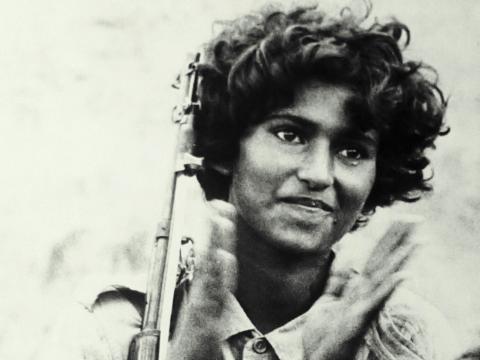
“The Hour of Liberation is, therefore, a partisan film at all levels. In terms of the montage as well: you can’t place images filmed on both sides of the fence in any order, and tell the viewer to choose sides; that would put oppression and freedom, injustice and justice on the same level. The film is constructed on a structure that rejects the bourgeois conception of ‘objectivity’: it clearly takes sides, without necessarily hiding the difficulties of the struggle, without hiding the contradictions, without ultimately lapsing into triumphalism. The entire montage is conceived to produce an analysis of what a people’s war is.”
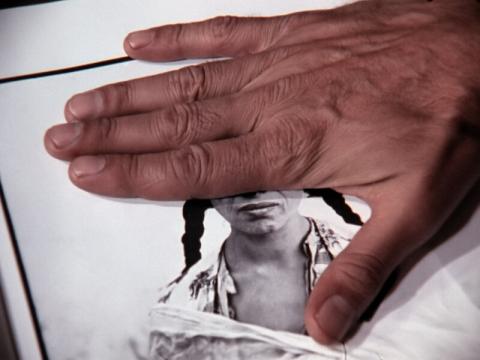
A year later, when the Germans had lost the war and the concentration camps were liberated, the Allies photographed and filmed the camps, the survivors, and the traces that pointed to the millions murdered. It was above all the images of piles of shoes, glasses, false teeth, the mountains of shorn hair that have made such a profound impression. Perhaps we need images, so that something that is hardly imaginable can register: photographic images as the impressions of the actual at a distance.
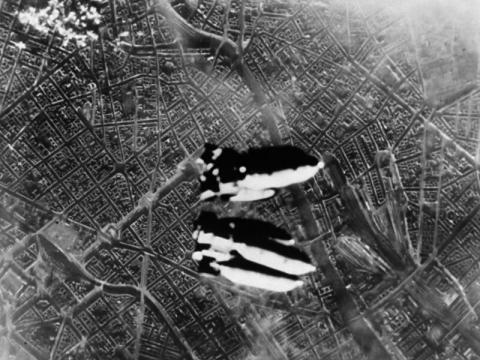
Een jaar later, toen de Duitsers de oorlog hadden verloren en de concentratiekampen waren bevrijd, fotografeerden en filmden de geallieerden de complexen, de overlevenden en de sporen die wezen op miljoenen vermoorde mensen. Vooral de beelden van stapels schoenen, brillen en kunstgebitten en de bergen afgeschoren haar maakten een diepe indruk. Misschien moeten er eerst beelden zijn vooraleer iets wat nauwelijks voorstelbaar is indruk maakt, fotografische beelden, afdrukken van de werkelijkheid op afstand.
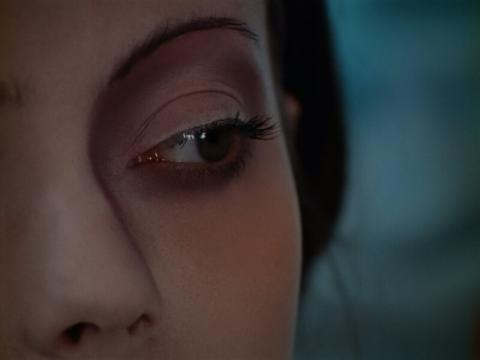
Harun Farocki in Conversation with Marco Scotini
I try to use a term operational images. This goes back to Roland Barthes in Mythologies, where he says that a non-metaphoric language, an operational language, would be the one that a woodpecker uses: it’s speaking with a tree and not about a tree.
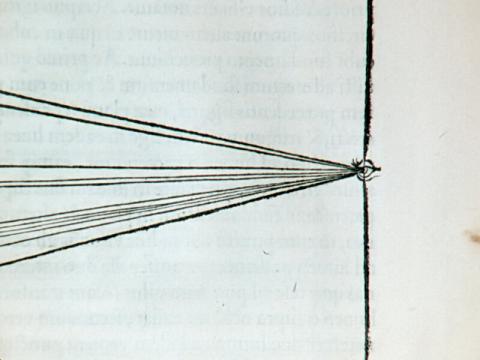
An Interview with Harun Farocki
Conversely, I try to find my words on the editing table. I have both my typewriter and my editing table in one room. It is connected to this question of writing and filmmaking, because it is also very evident you cannot make films the same way you can write a text. For the text you need to go to the library, but 80% or so of them are created in the room, or if not created, then at least the final version is made indoors at your desk. That is also the last stage of the filmmaking, the aspect where writing and filmmaking come together. People ask me, why don’t you write anymore, and I realise it is because I have succeeded in making a form of writing out of my filmmaking.
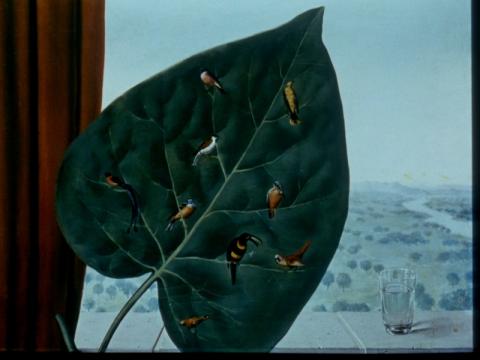
De surrealisten van het eerste uur, nog vaag vervuld van een dadaïstische geestesgesteldheid, zetten alle zeilen bij en mengden vrolijk disciplines door elkaar om het publiek te verbluffen. Terwijl hun geschriften, theater, muziek en schilderkunst al gauw floreerden, bleef het gebruik van film lange tijd een moeizamere kwestie, in België nog meer dan elders.
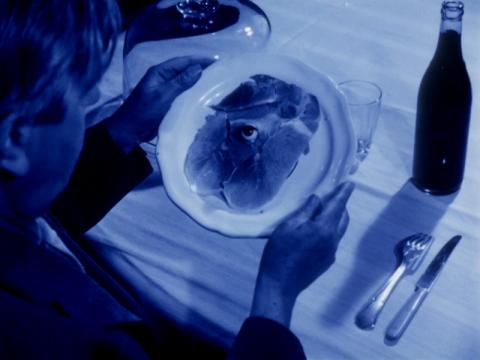
Les surréalistes de la première heure, encore confusément habités par l’état d’esprit dadaïste, faisaient feu de tout bois et mélangeaient allègrement les disciplines pour stupéfier les spectateurs. Si l’écriture, le théâtre, la musique ou la peinture trouvèrent vite les moyens de s’épanouir, l’utilisation du cinéma resta longtemps plus laborieuse, en Belgique plus encore qu’ailleurs.
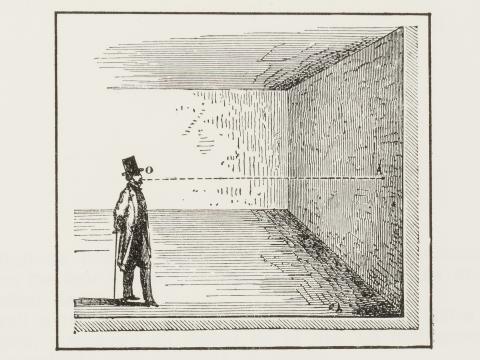
“De mijnwerkers komen uit de mijnschacht tevoorschijn. Ze gaan de straat op, hun gezichten zwart, leerkartonnen helmen op hun hoofd, brandende lampen in hun handen, in dichte rijen die de hele breedte van de straat innemen. Ze naderen met rasse schreden, neuriën een zacht en krachtig gefluisterd lied, voorafgegaan door een zwarte stofwolk.”
« Les ouvriers mineurs remontent de la fosse. Ils s'avancent dans la rue, le visage noir, le casque de cuir bouilli sur la tête, la lampe allumée à la main, en rangs serrés qui prennent toute la largeur de la rue. Ils s'avancent sur un rythme implacable, en chantonnant une chanson murmurée, douce et puissante, précédés d'un nuage de poussière noire. »
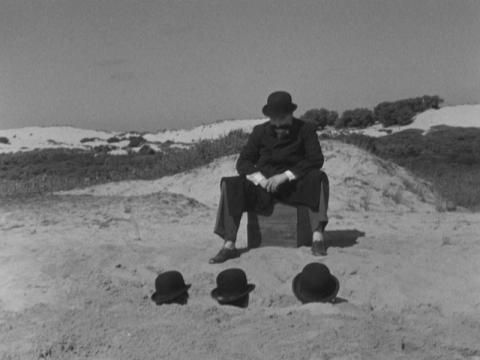
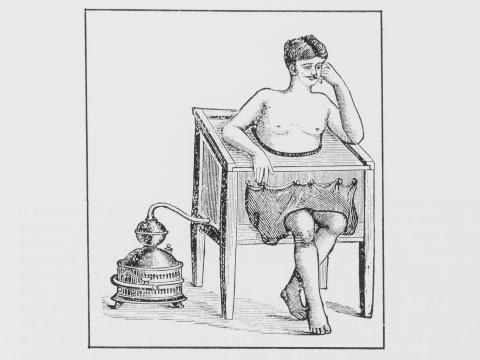
Tout le surréalisme est au service de Fantômas.
C’est le seul être au monde avec qui
J’aurais aimé me faire photographier à la foire.
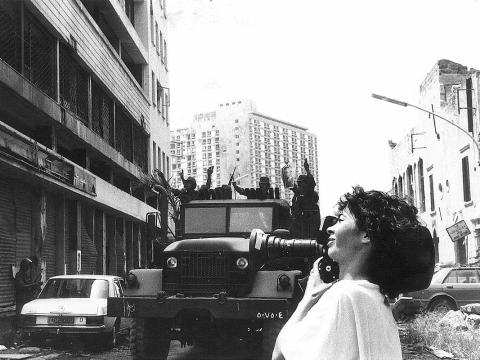
Interview with Jocelyne Saab
“I began by making film reports, documentaries, and I didn’t come to fiction until much later. The boundaries between the two aren’t very clear-cut, however, and there are often documentary elements in fiction films and vice versa. At the time, there was a fabulous reporting tradition, with film crews in conflict zones that didn’t hesitate to take risks and demonstrate a certain situation by bringing us the footage. Resorting to cinema, especially to documentaries, in order to provoke or accompany social change, to denounce or to provide a basis for action, all this was very much present when I started.”
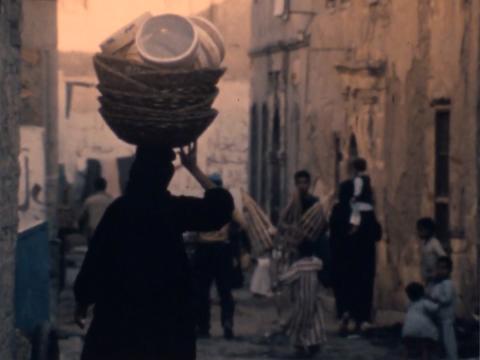
Interview with Jocelyne Saab
“Each time I made a film, it was in a given political period; each time I had a political objective, my films couldn’t just be without orientation. That’s not sentimentality. Through a form of sensibility, a political problem emerges. The destruction of Beirut, the children fighting, it means something. I figured this way of showing things could touch people and have a real political impact. People are fed up with the talking. On television, for example, one day they show a representative of the left, the next a representative of the right. Every day, they agree with someone else, and they end up forgetting who’s right or wrong!”
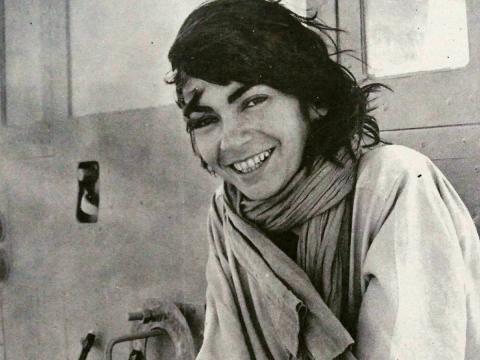
There are encounters that withstand long separations because they happened at a particular time. That goes for you, who I lost sight of for a long time, and who I met in the liveliest days of our lives. Are there lives outside of lively days? Alas, yes. Many years later, we ran into each other and caught up in the queue for a plane from Paris to Cairo, and then in Alexandria we met again, and... since then, we met again where we had parted, in the intimacy of History, the Tunisian revolution had just broken out and our hearts were cheerful.
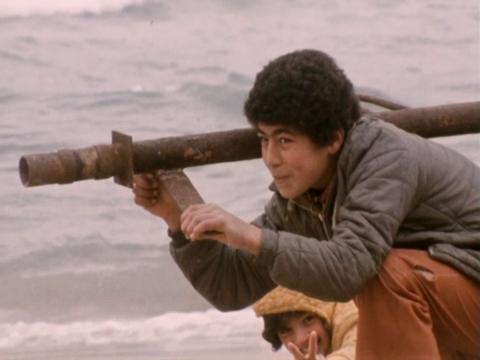
“They no longer allowed us to express ourselves. There was no freedom anymore. At the time, I didn’t fully understand that I was scaring them because I didn’t realize the impact of my work. With my documentaries and my different way of looking at things, I managed to reach European and American television channels. They were afraid my images would shake the public opinion and dismantle their propaganda.”
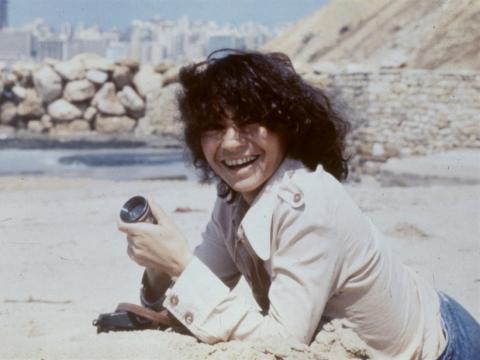
I would also like to express my affection for Jocelyne. On the strength of her films and the way she has lived her life to date, I consider her one of the bravest, most intelligent and above all freest spirits I have ever encountered – though her freedom of thought and behaviour has sometimes cost her dearly and even put her life in danger. Few other people have suffered so much to preserve their self-esteem and survive in a meaningful way in a world as hostile and indifferent as ours.
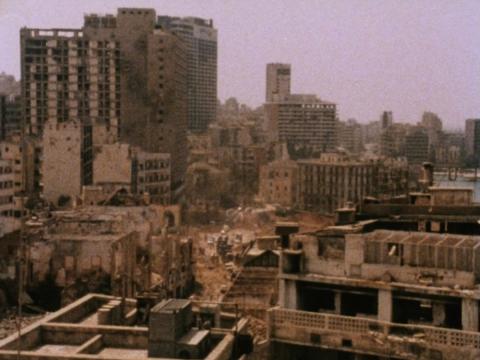
Interview with Jocelyne Saab
“Today, nine years later, I say to myself: “It’s no longer a matter of taking a position.” That’s where my films are headed and that’s what brings me to fiction. I think I’m meeting my time, the wave of complete scepticism, of doubt, which means that in the fiction to come I have completely abandoned any political point of view – even if everything is political. Even if there is no doubt that there has been a political position. The desire I had to be on TV, to reach a lot of people, meant that my work was concerned with the imagery, which was much more powerful than militant film.”
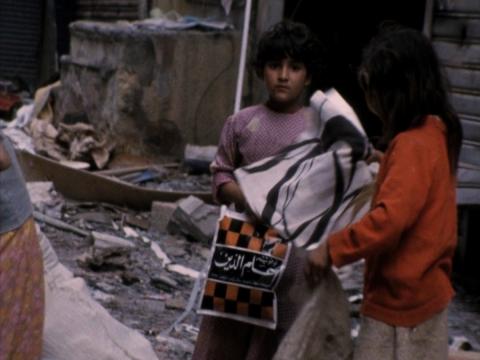
Interview with Jocelyne Saab
“This documentary phase wasn’t only linked to my personal history; it was determined by my country’s political situation and Lebanon’s cinema history. My trajectory is a bit like that of other Lebanese filmmakers. If I decided to move to fiction it’s because, after speaking in a “militant” manner, I now want the image to speak as much as possible.”
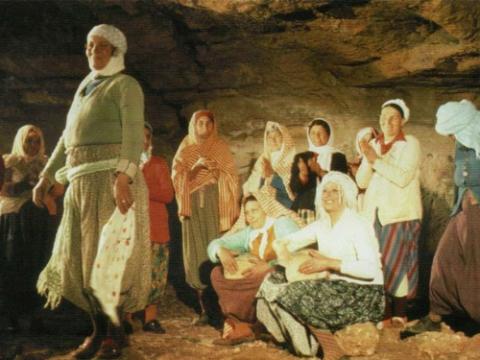
What does it mean to make a film when you are a woman, an Algerian, a novelist (writing in French) and you decide to make it in your own country, for the people of that country, with the widest distribution possible, as it is a film for television?
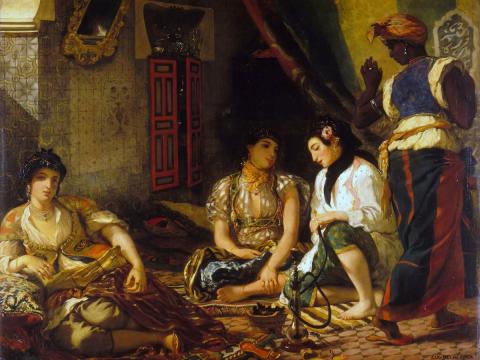
Élie Faure tells us that the aging Renoir, when he used to refer to this light in Women of Algiers, could not prevent large tears from streaming down his cheeks. Should we be weeping like the aged Renoir, but then for reasons other than artistic ones? Evoke, one and a half centuries later, these Bayas, Zoras, Mounis, and Khadoudjas. Since then, these women, whom Delacroix – perhaps in spite of himself – knew how to observe as no one had done before him, have not stopped telling us something that is unbearably painful and still very much with us today.
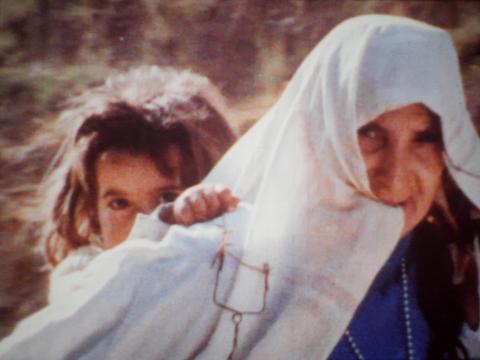
A slow pace, silence, memory regained, sensuality, Assia’s film tried to lead us far away from our noisy and dogmatic present. It tried to make us seize the intimacy of secluded women in unusual ways. The language of shadows, the language of bodies. The film is set somewhere between Cherchell and Tipaza. The beauty of the locations takes the story to a realm of mythological enchantment while leaving intact the realism of the existential wound that is buried beneath the silence of the characters.
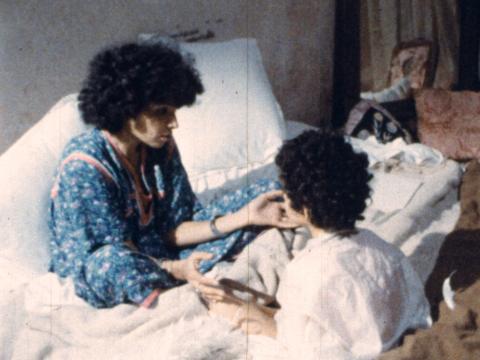
Two interviews with Assia Djebar
“I started from the idea that the more a woman is traditional, the less she needs an association with folklore in terms of sound. When you come across the image of a person whose clothes and attitude are very “conservative”, there’s no need to associate this person with flutes or tambours. At the end, during the party in the caves, the women dance while singing the most ordinary songs, popular street songs really, and I linked this to the fourth dance of Bartók’s “Dance Suite”. I thought it emphasized the inherent nobility of these women. I got the impression that it was original music, written especially for this moment!”
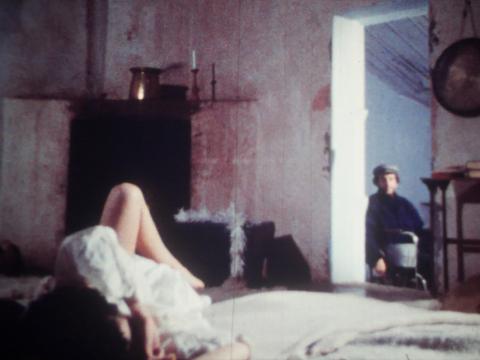
Can it be simply by chance that most films created by women give as much importance to sound, to music, to the timbre of voices recorded or captured unawares, as they do to the image itself? It is as though the screen had to be approached cautiously and be peopled, if need be, with images seen through a look, even a short-sighted, hazy look, but borne on a full, commanding voice, hard as stone but fragile and rich as the human heart.
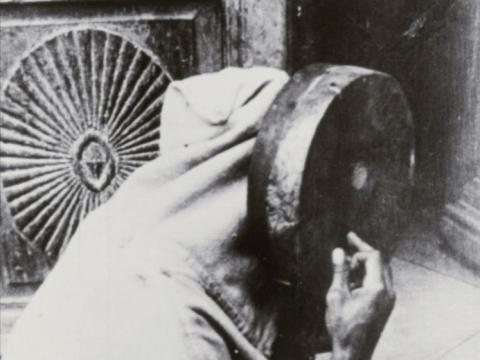
To give a rhythm to the images of reality for twenty years of everyday life in the Maghreb, where each of the three countries has paid its death toll to obtain its independence. This work, which should be a simple “historical” visualization, I approach as a mined area. I apprehend it as an explosive that awakens from my past, from any past, the engulfed pains we believe to be rotten or defeated, I don’t know. They come alive again, they dress again as faceless ghosts, but veiled, as if they suddenly demanded the unfolding of a purifying liturgy.
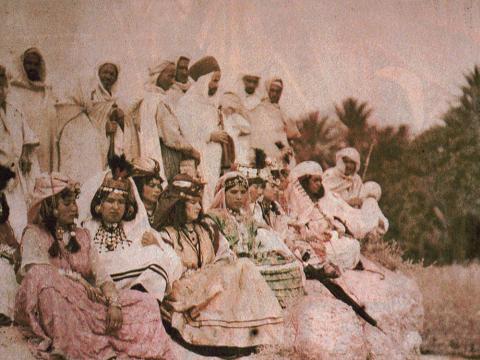
Assia Djebar’s treatment for La Zerda et les chants de l’oubli [The Zerda or the Songs of Oblivion] (1978-1982): “Without any comment, however, shortly before and during the credits, three known paintings by Delacroix unfold in long shots and in slow pan shots that focus on details of characters, horses or costume elements, each of the paintings linked to an atmosphere of music and fantasia from the pre-colonial Maghreb.”
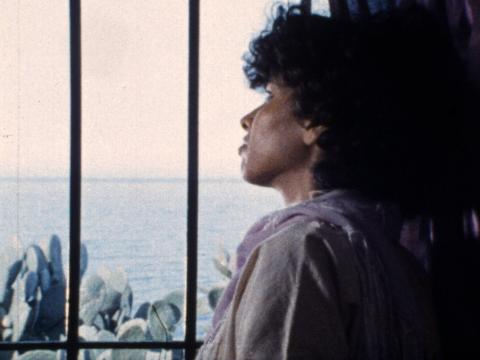
So your film is more a film about space than about women?
Yes, because saying that my film is a film about women doesn’t mean anything. I’ll always make these films... Female bodies, women are my subject. Like a sculptor somehow, who uses a certain material, while another sculptor will use another material. That should mean something, shouldn’t it? I think that’s what the Cinémathèque audience couldn’t stand; I’ve removed men from my film. But what can I say, except that I’ve just shown what exists in reality. I intentionally separated the sexes in the image, as in reality. The intention is feminist, and why not? I wanted to show the number one problem of Algerian women, which is the right to space. Because I was able to verify that the more space the women had, the firmer they stood.

De romance van de Derde Weg
De politieke zelfgenoegzaamheid van de jaren ’90 leverde een verrassend groot aantal mainstream Amerikaanse romantische komedies op over het verzet tegen de gevestigde macht. Maar You’ve Got Mail bracht ons een nieuwe fantasie, volledig geneoliberaliseerd: wat als de gevestigde macht de ware is?
I would like to define the intricate relationship between my cinematographic language and the prevalent political language. The prevalent political language aims at determining a harmony of concrete interests. It is a uniform language that emphasizes the difference between what is similar and what is different within a very precise geographical and economical area. On the other hand, my cultural action, and not cultural language, aims at liberating spaces where everyone can be moved, can rediscover the real nature of things, marvel at the world, think about it and immerse oneself in the world of childhood. Finally, politics excludes the imaginary, unless it can be used for ideological or partisan ends. But my films’ cultural world is made up of both reality and the imagination, both of which are vital to the creation of my films. It is like a child’s quest for identity: he or she needs these two levels – reality and dream – to approach life in a balanced and non-schizophrenic way.
[J]e voudrais définir la relation complexe qui existe entre mon langage cinématographique et le langage politique dominant. Le langage politique dominant vise à déterminer une harmonie d’intérêts concrets. C’est un langage uniforme qui souligne la différence entre ce qui est similaire et ce qui est différent dans une zone géographique et économique très précise. D’autre part, mon action culturelle, et non le langage culturel, vise à libérer des espaces où chacun peut être ému, peut redécouvrir la nature des choses, s’émerveiller du monde, y penser et s’immerger dans le monde de l’enfance. Enfin, la politique exclut l’imaginaire, à moins qu’il ne puisse être utilisé à des fins idéologiques ou partisanes. Mais le monde culturel est constitué à la fois de réalité et d’imagination, deux éléments essentiels à la création de mes films. C’est comme une quête d’identité pour un enfant : il a besoin de ces deux niveaux – réalité et rêve – pour aborder la vie d’une manière équilibrée et non schizophrénique.
“Yes, from a filmmaker’s point of view, we wanted to look for images other than those brought back by television crews every time there’s a political event in the occupied territories (manifestations, strikes, riots, etc.). We actually believe that these images make us forget the essence: the sense of the struggle of these people. The informative television images are images of ‘effects’, and we are looking for images of ‘causes’.”
« Oui, notre point de vue de cinéastes était de rechercher des images autres que celles ramenées par les équipes de télévision à chaque événement politique dans les territoires occupés (manifestations, grèves, émeutes, etc.). Nous croyons, en effet, que ces images finissent par faire oublier l’essentiel : le sens de la lutte de ces gens. Les images d’information télévisées sont des images d’« effets », nous recherchions des images de « causes ». »
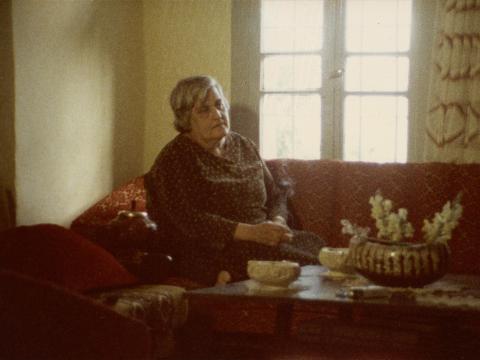
“[Fertile Memory] is the result of several years of work. I made several reports in the occupied territories, but I also have to say that the film was beyond me. The Palestinian question is basically an issue of oppression: an oppression that dominates the world. I said to myself that I would be able to give the Palestinian question a new dimension by talking about the most oppressed. I thought that women would help bring out all the contradictions.”
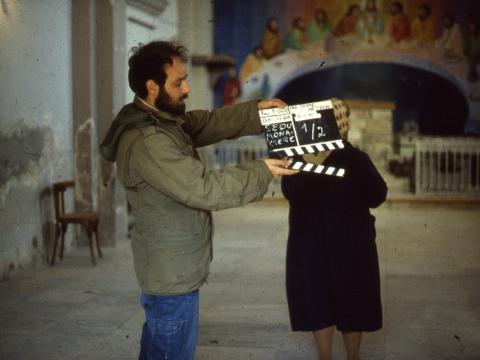
[C]’est le résultat de plusieurs années de travail, j’ai fait plusieurs reportages dans les territoires occupés, mais je dois dire aussi que le film m’a dépassé. Au fond, c’est quoi le problème palestinien, c’est le problème de l’oppression : une oppression qui domine le monde. Je me suis dit que c’était en parlant des plus opprimés que je parviendrai à donner une dimension au problème palestinien. J’ai pensé que la femme permettrait de faire ressortir toutes les contradictions.